The AI Deepfake Dilemma: Dr. King, OpenAI, and the Battle for Ethical AI
In the world of AI, the lines between innovation, ethics, and exploitation are blurring fast. This blog dives into the current moment: when OpenAI's Sora platform was asked by the estate of Dr. Martin Luther King Jr. to stop allowing AI video generations of him: and what that says about the future of AI, likeness rights, and societal adaptation.
What's the News?
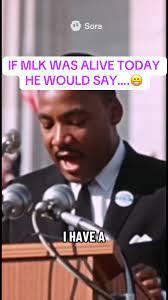
OpenAI recently paused Sora's ability to generate Dr. King in AI videos after public backlash and a formal request from the King Estate. This came after videos depicting him in disrespectful or unserious contexts went viral. While the company claimed the videos were protected under "free expression," it ultimately decided to implement an opt-out system for estates of historical figures.
Sora's original policy allowed depictions of public figures: including deceased ones: without their estate's permission. That loophole opened the floodgates. Families of Malcolm X, Robin Williams, Whitney Houston, and more have since spoken out about similar violations.
What's the Ethical Problem?
1. Consent & Dignity
Using someone's likeness: especially when they're not alive to consent: is an ethical minefield. Public figures are still human beings. Their legacy matters.
2. Power Imbalance
Big tech is moving fast, releasing tools with global impact. But families and estates don't always have the legal power or platform to fight back.
3. Misinformation Risk
Hyperrealistic deepfakes confuse the public. At best, they blur truth. At worst, they rewrite history or defame people who can't defend themselves.
4. Cultural Harm
Dr. King is not just an individual: he's a symbol of justice. Misusing his voice or image harms not just his family, but entire communities.
A Wider Pattern
This isn't just about Dr. King. From Robin Williams to Malcolm X, to fictional renderings of celebrities in ads and parodies, we've entered a world where the dead can "speak" again — but without consent. Just as Netflix and Spotify transformed media consumption before laws caught up, AI is now doing the same with our cultural memory. And just like streaming, the public will normalize it unless we actively draw lines.
Remember when Uber broke the taxi industry? Or when Spotify let anyone access music instantly? Each time, society had to catch up to the disruption. This moment is no different.
My Take
Tech like this will become more accessible. It's not going away. But inevitability isn't a free pass.
I believe companies have a duty to educate and set the tone: not just build tools and drop them into the wild. This is about more than policies: it's about culture, dignity, and future norms. Smaller creators and communities can help shape that future. So can regulation. But right now, we're flying blind. And that's dangerous.
What's Next?
Tech Companies
Build default protections. Partner with estates. Label all AI content clearly.
Governments
Enact postmortem publicity rights. Penalize misuse. Fund watchdogs.
Creators
Lead ethically. Don't use likeness without respect.
The Public
Push back. Support ethical platforms. Share responsibly.
This is just the start of a much bigger conversation. But it's one we need to have now: before the next viral deepfake does real damage.
Sources
📰 News Reports
- The Verge: "OpenAI halts MLK deepfakes after King estate expresses concern"
- The Guardian: "Legacies condensed to AI slop: Outrage over Sora videos of the dead"
- TechCrunch: "OpenAI stops Sora from generating Martin Luther King Jr. videos"
- Washington Post: "AI videos of dead celebrities horrify their families"
- Digital Music News: "OpenAI's likeness protections don't apply to dead celebrities"
⚖️ Legal Commentary & Ethical Analysis
- Brookings Institution: "The legal gaps in AI-generated likeness rights"
- Harvard Law Review Forum: "AI and Postmortem Rights of Publicity"
- Electronic Frontier Foundation (EFF): "Deepfakes, consent, and the law"
🧠 Expert Commentary
- Casey Fiesler, Tech Ethics Researcher: Thread on the MLK incident and how public figures' likenesses are not protected by default
- The Atlantic: "When AI Resurrects the Dead"